
October 15, 2025
An Anterior Cruciate Ligament (ACL) injury is a serious setback. While many footballers do return to top-level play, the timeline is long, reinjury risk is real, and full recovery is often a gruelling physical and psychological journey.
Football is a sport of agility, rapid direction changes, acceleration, jumping and deceleration — mechanics that place frequent stress on the knee joint and its supporting ligaments. Among those, the anterior cruciate ligament is one of the most vulnerable. Unfortunately, ACL injuries remain relatively common in the professional game, and their consequences can be career-defining 1.
Among footballers who undergo ACL reconstruction, return-to-play (RTP) rates are generally high. One review across 3,657 players found about 72% returned to play after ACLR, while 53% managed to return to their preinjury level. Another meta-analysis cites a mean RTP time of 7 months for football players. Some studies report a longer timeline: e.g. mean RTP of 8.7 months in broader samples. In real-world professional matches, return-to-competition delays are typically greater. One study of professional footballers observed an average absence of 251 days after a primary ACL injury 2.
The commonly quoted clinical guideline for a full return is 8–12 months, depending on severity, concomitant damage (meniscus, cartilage), graft type, and the rehabilitation process 3.
A further caution: the rate of second ACL injury (either graft rupture or contralateral ACL) in male professional footballers is not negligible — estimates suggest nearly 1 in 5 may suffer a second ACL event within five years post–reconstruction 4.
Even for those who return, many players experience a drop in performance in the first one to two seasons postinjury 2.
The AlterG Anti-Gravity Treadmill in ACL Rehabilitation
Given the high stakes of ACL rehab, any tool that can safely accelerate or optimise the return process is of great interest — and the AlterG Anti-Gravity Treadmill is one such innovation, increasingly adopted in elite sports.
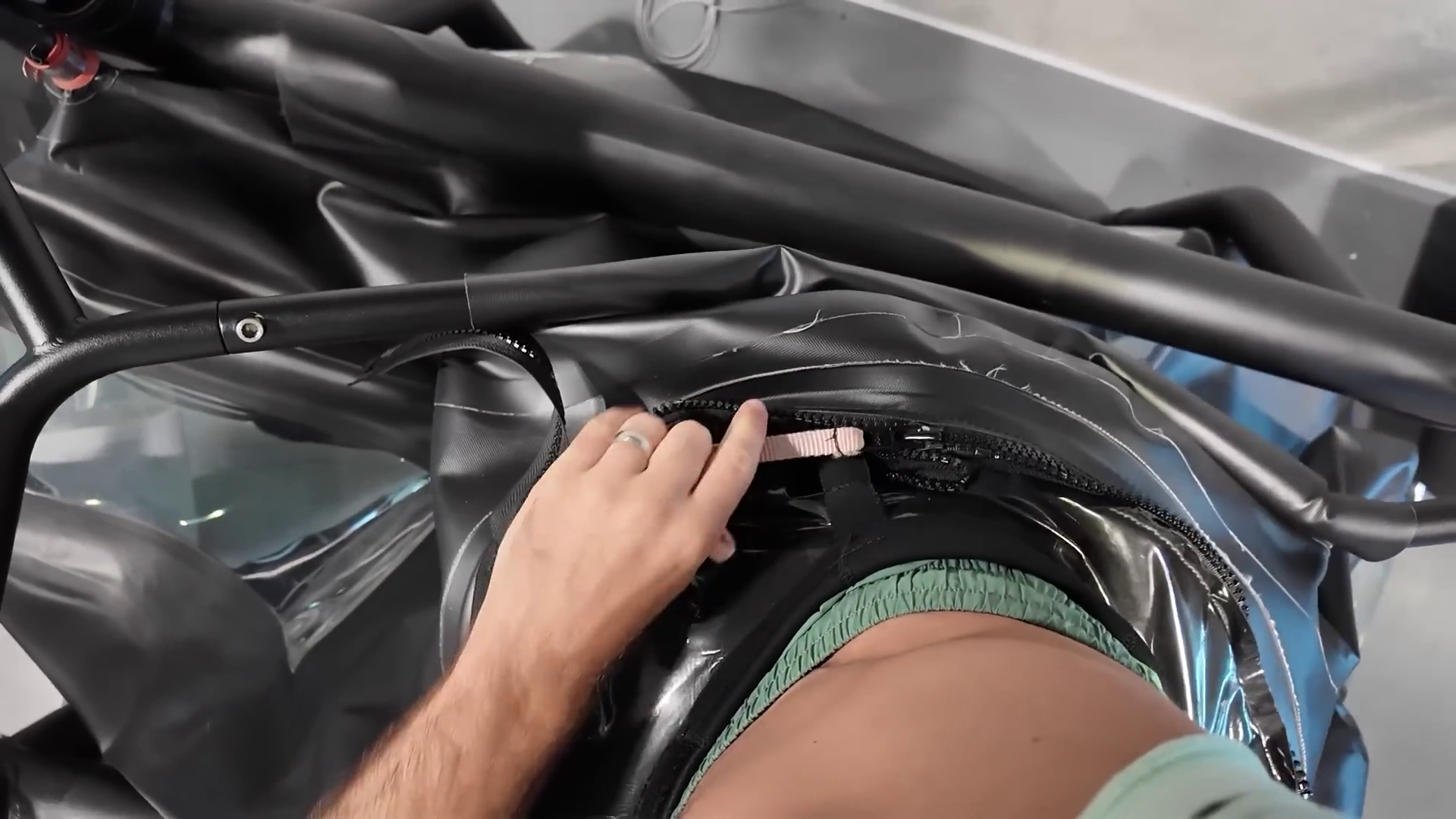
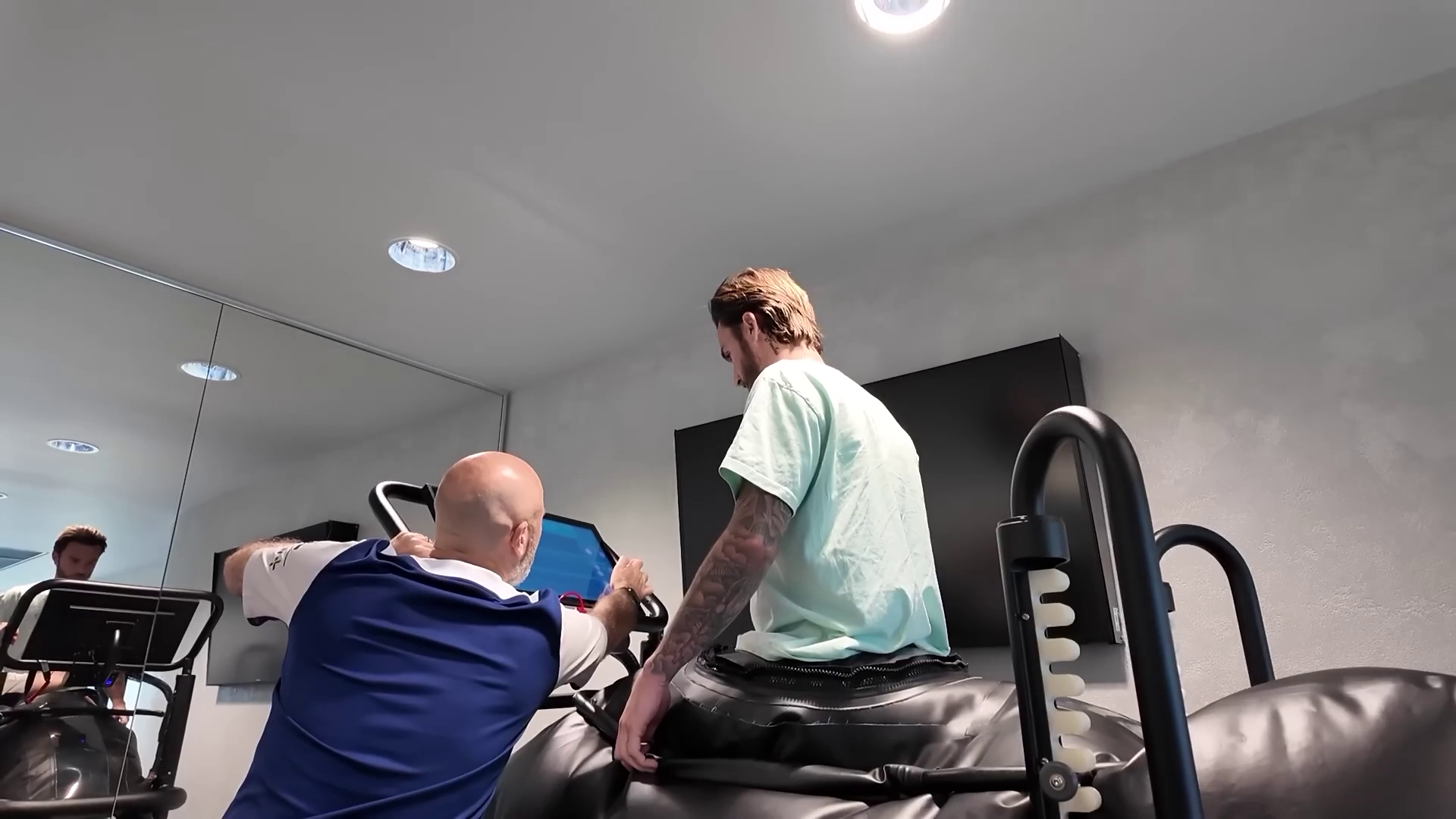
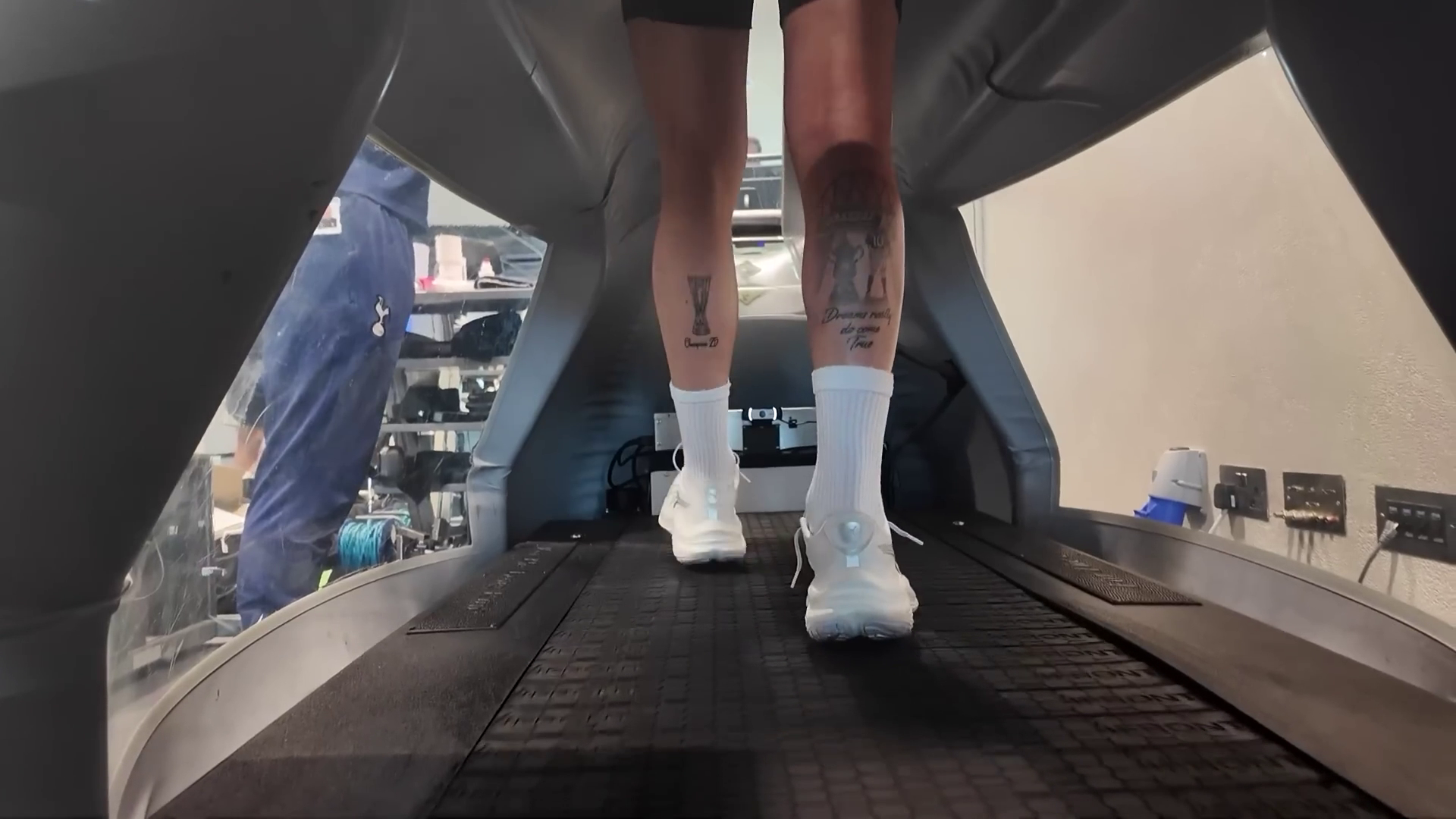
The AlterG treadmill uses a differential air-pressure technology that encloses the lower body, and via precise pneumatic control, partially “lifts” the player, reducing the effective body weight borne by the lower limbs. The player wears specially designed shorts that seal into the chamber, enabling a comfortable and stable connection.
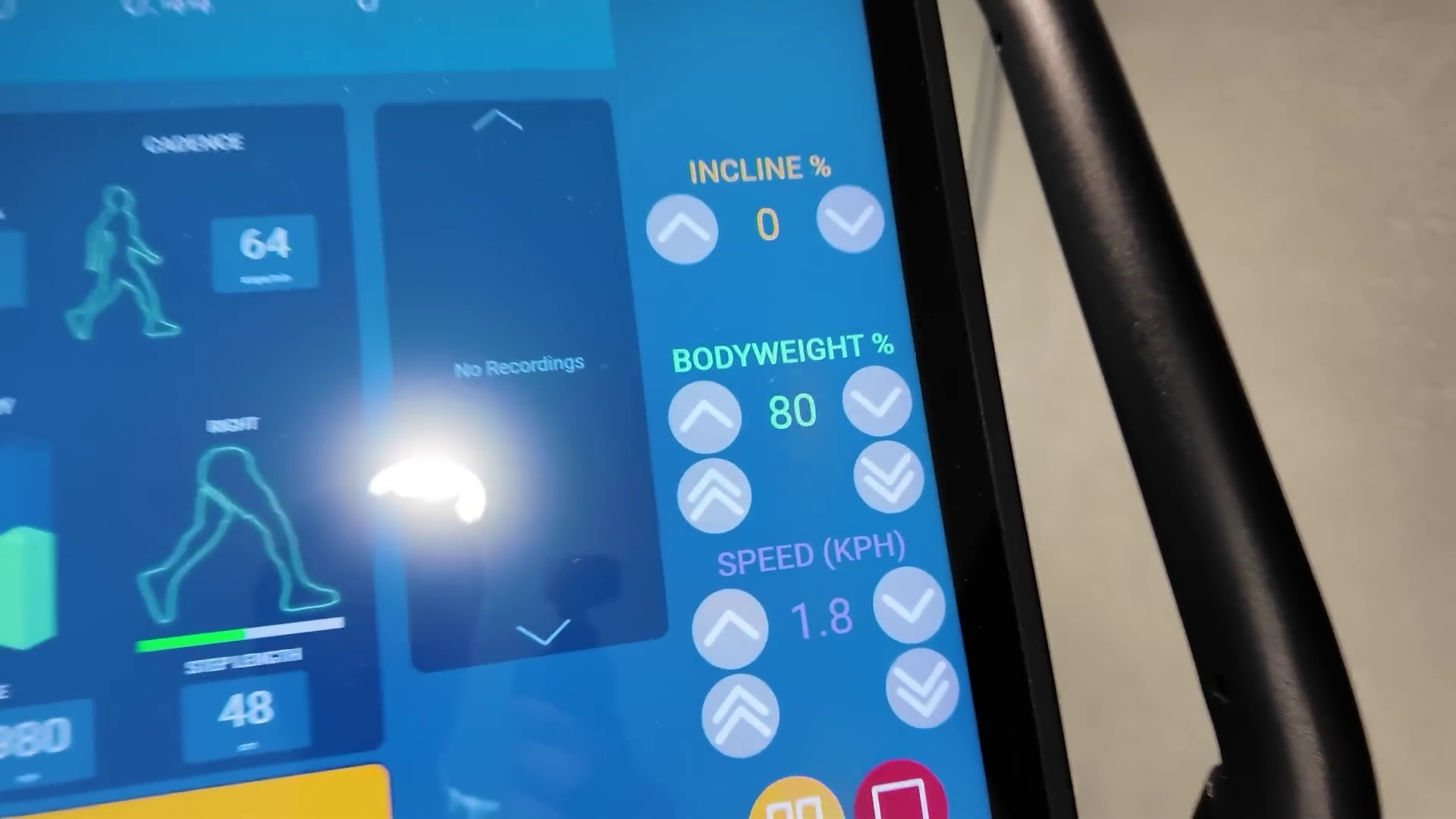
The amount of unweighting is finely adjustable, typically from almost full 100% body weight down to as low as 20 %. This allows gait training, walking, or even jogging under a reduced mechanical load environment, which reduces force on healing injuries while preserving movement patterns. With the ability to modulate the body-weight load in small increments, sports therapists can progressively “re-load” the limb safely as healing and strength increase.
In the high-stakes environment of professional football, where a timely and safe return can make the difference between regaining form or losing career momentum, such technological support can be a differentiator. SportsMed Performance, as a provider of rehabilitation and performance tools, has a clear role in enabling clinics and clubs to integrate such advanced systems.
Using an AlterG in ACL rehab offers several advantages, particularly relevant to high-level footballers:
- Earlier reintroduction of gait and running mechanics – Because joint loading is reduced, players can begin walking and light jogging earlier than with full weight-bearing only, helping preserve neuromuscular patterns and reducing compensations.
- Load control and progression – The ability to fine-tune load allows safe, gradual reintroduction to full body weight, reducing risk of graft irritation or overload.
- Maintaining cardiovascular fitness and muscle activation – Players can perform more “running-like” work during recovery without overloading healing tissues, thus preserving aerobic and neuromuscular conditioning.
- Psychological confidence and movement quality – The supportive environment reduces fear of re-injury while still allowing motion, providing confidence and better movement quality feedback via gait analysis tools.
- Reduced compensatory stress on uninvolved limbs – Because the unweighting is uniform, the contralateral limb is less overloaded than in many overcompensation scenarios, which can reduce secondary injury risk.
- Better transitional control to ground running – When the player can perform sustained running on the AlterG at high load percentages without symptoms, the progression to full ground running is more controlled and biomechanically safer.
- Potential reductions in time lost – While it is not a miracle cure, clinical and case evidence suggests that gait milestones and functional benchmarks can be achieved earlier compared with more conservative weight-bearing-only protocols.
James Maddison’s ACL Injury and Early Recovery Journey
In August 2025, Tottenham Hotspur’s midfielder James Maddison suffered a serious knee injury during a pre-season friendly. He was initially carried off the pitch, and the club later confirmed that he had ruptured the ACL in his right knee and would undergo surgery 5.
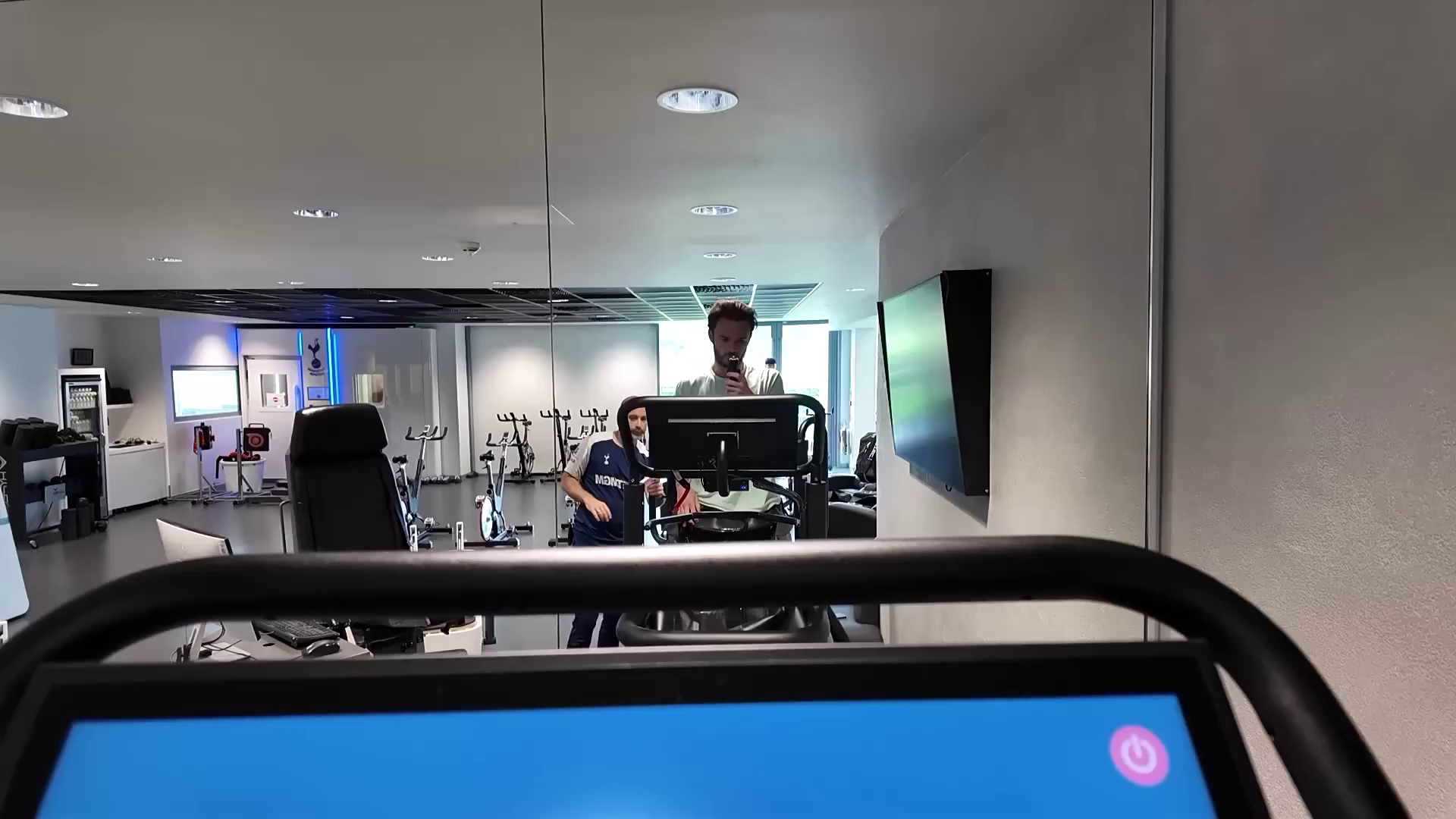
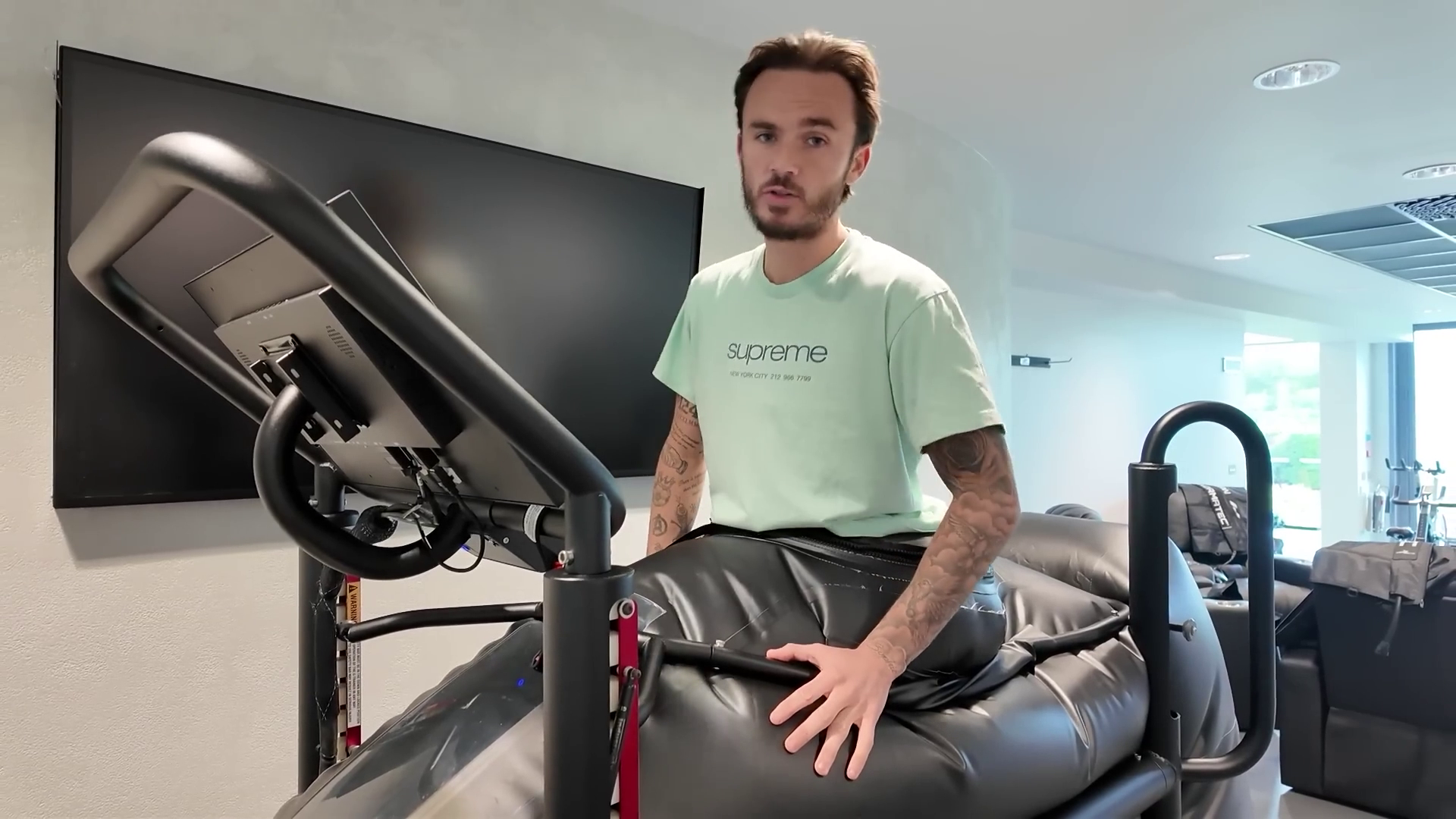
Maddison has since published a video documenting the first three weeks of his post-surgical recovery, where he provides a candid, unfiltered view of the early physical and emotional challenges of ACL rehab — including his use of the AlterG Anti-Gravity Treadmill as part of his rehabilitation.
While Maddison is still very early in his journey (and we must caution that full recovery is a long road), his willingness to share the process gives valuable insight into the lived experience of elite ACL rehabilitation — a process in which tools like the AlterG may play a central role.
Conclusion
ACL injuries remain one of the most serious injuries in professional football: frequent enough to be a constant concern, yet severe enough to derail seasons or careers. The rehabilitation journey is long (often 8–12 months or more), with real risks of reinjury and performance decline.
However, advances in rehabilitation technology — notably the AlterG Anti-Gravity Treadmill — are providing clinicians and players with a more refined tool to bridge that journey. By enabling controlled, graded reloading, preserving neuromuscular patterns and cardiorespiratory fitness, and instilling confidence in movement, the AlterG can help accelerate safe progression in ACL rehab protocols. Its documented uses in ACL-specific rehabilitation, gait retraining, and return-to-run pathways underline its growing legitimacy in elite sports medicine.
James Maddison’s early recovery is a timely example: even at week 2–3 post-op, he is employing gait-support devices like the AlterG as part of his rehab. For SportsMed Products, this underscores the importance of supporting clinics, clubs, and rehabilitation centres to adopt, integrate, and optimise use of advanced tools like this — both for player welfare and performance longevity.
- https://sciofmultispeed.com/acl-injuries-in-football-evidence-based-strategies-to-reduce-its-incidence/
- https://pmc.ncbi.nlm.nih.gov/articles/PMC11329701/
- https://www.fourfourtwo.com/features/acl-injuries-in-football-recovery-time-symptoms-diagnosis-and-everything-else-you-need-to-know/
- https://bjsm.bmj.com/content/55/23/1350
- https://www.tottenhamhotspur.com/news/2025/august/injury-update-james-maddison/